How do I check what ChatGPT says about my business?
Ask it the question a customer would ask, in a fresh chat, and read the answer as if you were that customer. Try three questions: a recommendation for your trade in Huddersfield, whether your business is any good, and what it knows about your business by name. Then repeat them in Google wherever an AI answer appears, and in Perplexity, which shows the sources it drew on. Note who gets named, what is said about them, and what is said about you. If the answer about you is vague, wrong or a refusal, the assistant has too little to work with, and that is the diagnosis.
What are the most common reasons an AI assistant leaves a business out?
Five, in the order we find them. The website does not say plainly what the business does, where and for whom, so there is nothing definite to quote. The business is described differently in different places: one name on the site, another on the Business Profile, a third in a directory. There are few reviews, or none with any detail in them. Nobody else on the web mentions the business at all. And the site blocks or hides its content from the crawlers the assistants use, sometimes deliberately, usually by accident.
- No plain statement of what you do, where and for whom
- Inconsistent name, address, services and phone across the web
- Few reviews, or reviews with nothing specific in them
- No mentions on other websites, directories or trade bodies
- Content the AI crawlers cannot read or are blocked from
Is this the same as SEO?
Partly. The foundations are shared: a site Google can read, a page for each service, a finished Business Profile and steady reviews all help both. The difference is where the assistants look. They lean heavily on what other people say about you, on whether the facts about you agree wherever they appear, and on whether your pages answer questions directly enough to be quoted. A business can rank first in Huddersfield and still be missing from the AI answer because the description of it across the web is thin.
What should my website say for an AI assistant to use it?
The facts, plainly, near the top of the page. Name, trade, the places you work, who you work for, how long you have been going, the accreditations, and the specific jobs you can name, written in ordinary sentences a model can lift whole. Questions as headings with the answer in the first sentence beneath them. Structured data that repeats the same facts in the format machines read. And consistency: the description on the site, the Business Profile and every directory should agree to the letter. The assistants are cautious. Give them one clear version and they use it.
What would Halizona do about it?
Run the questions, record who gets named and why, then close the gaps in order: the plain statement on the site, the consistency across the web, the review flow, the mentions, and the technical access. Then run the questions again a month later and compare.
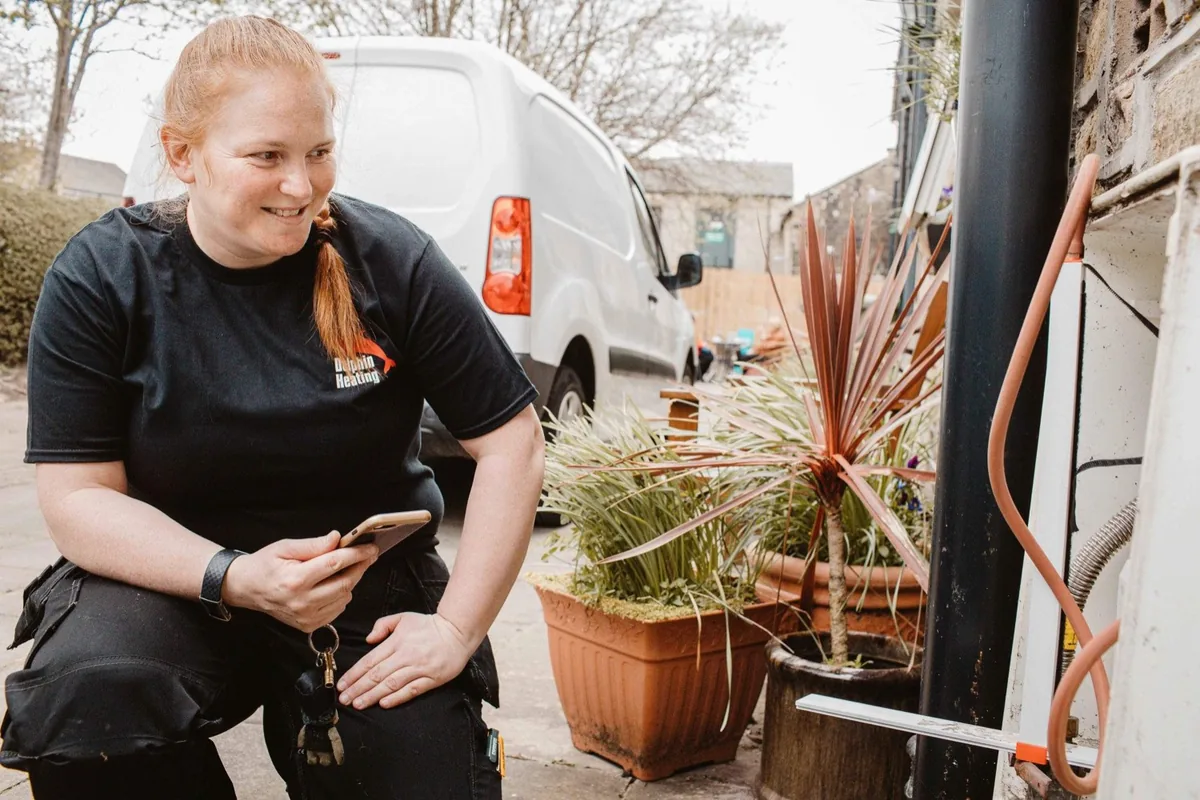
Bond Brickwork is at the top of Google for the commercial brickwork searches that matter to it and is recommended when people ask AI search the same thing. Dolphin Heating is named in the AI answer for a female gas engineer in Huddersfield. Both were built the same way: say the specific thing clearly, prove it, and make sure every other source agrees.